The Salty Terroir: Ancient Citrus Terraces and Coastal Flavors
Culinary exploration by Chiara Valerio • 7 min comprehensive read
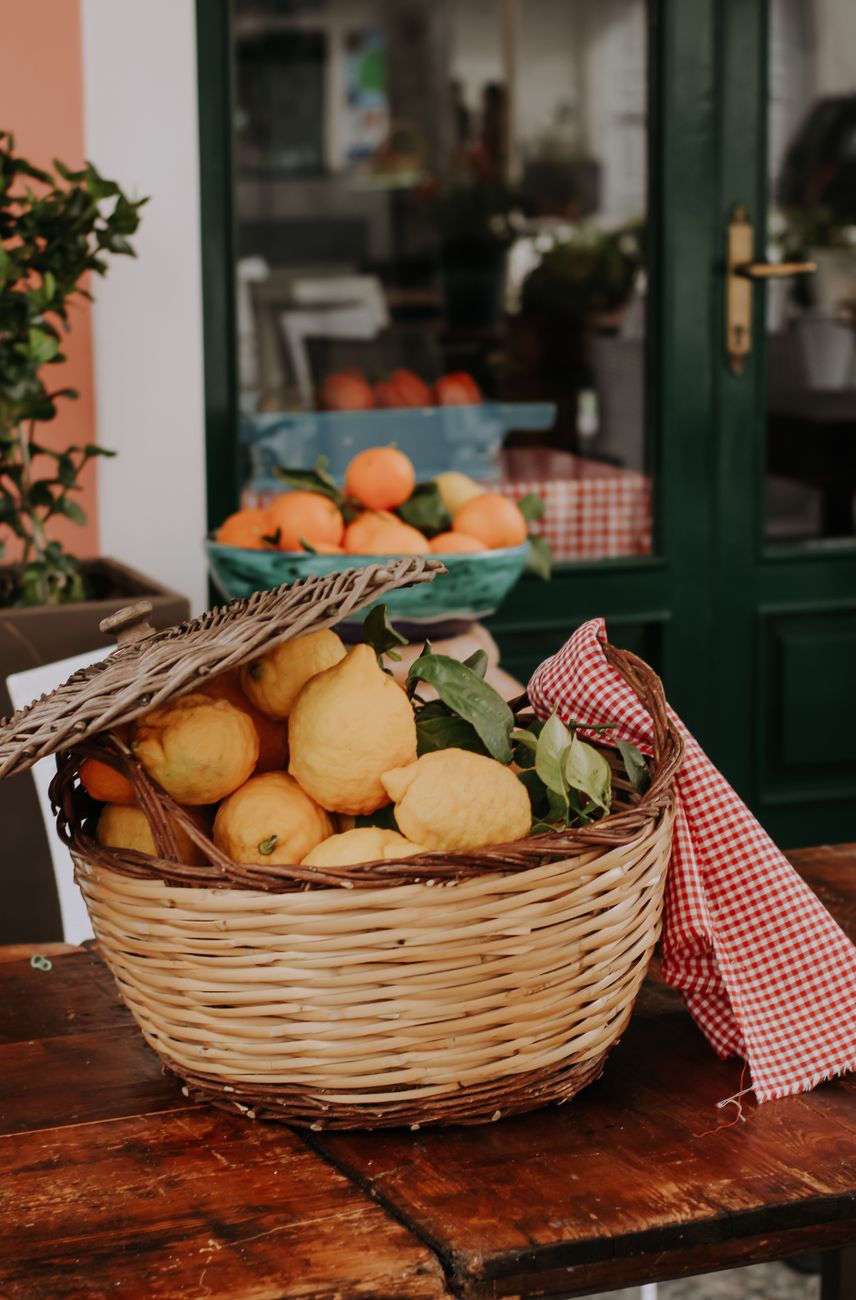
The scent of the Amalfi coast is not merely sea foam and sunscreen; it is the sharp, oily pungency of citrus rind warmed by Mediterranean sun and tempered by crushed wild oregano. For five centuries, families in Minori, Atrani, and Ravello have defied gravitational laws by cultivating the Sfusato Amalfitano—an elongated, intensely fragrant lemon variety whose thick white pith is so sweet it can be eaten raw like an apple.
I. The Sfusato Amalfitano Cultivar
Brought to southern Italy by Arab navigators in the early medieval epoch, citrus fruits were initially prized by seafaring merchant republics as an antidote to scurvy on extended maritime runs. Over generations of selective cultivation on mineral-rich volcanic soils, the sfusato lost its acidic bitterness, developing an aromatic juice rich in essential terpene oils.
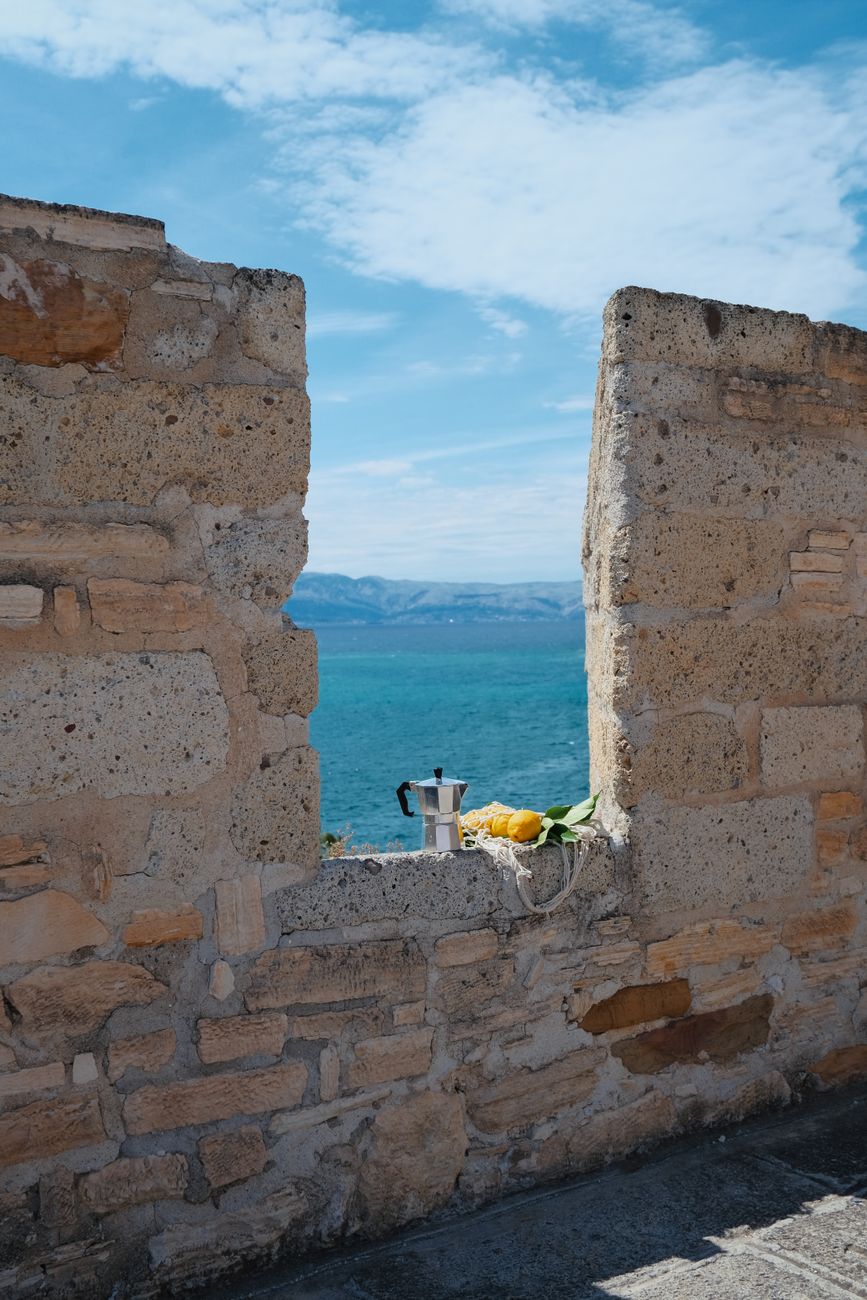 Figure 3.1: Dry-stone terraces (macére) cascading toward the Tyrrhenian.
II. Vertical Stone Macére Engineering
The landscape is constructed of macére: dry stone retaining walls constructed without mortar from limestone boulders quarried directly from the hillsides. Because motorized vehicles cannot navigate these 1,000-step staircases, lemon pickers (contadini) still carry woven wicker baskets weighing sixty kilos upon their shoulders down to seaside quays.
"Every lemon you taste along this coast represents an ancient civil engineering pact between stone, sweat, and steep sea winds."
III. Alchemy of Salt, Oil, and Acid
The regional cuisine is remarkably spare. At humble osterias away from tourist promenades, the staple dish is Spaghetti al Limone: pasta water emulsified with raw olive oil, grated sfusato zest, and freshly grated aged provolone del Monaco cheese. The absence of heavy cream allows the saline minerality of the lemon oil to dominate the palate.
IV. Ethical Visiting Protocol
Visiting Guidelines:
- Support independent cooperatives that preserve traditional chestnut wood trellising (pagliarelle).
- Avoid picking fruit without direct permission from local contadini.
- Trek the Sentiero dei Limoni path during late afternoon to support small family-owned agricultural farmstands.
Commission a Mediterranean Gastronomy Itinerary
Connect directly with our culinary curators to unlock private estate visits across the Amalfi peninsula.
Inquire with our Culinary Team