The Silence of Ancient Cedar: Pilgrimage Paths of Kansai
Field text and photography by Hiroshi Tanaka • 9 min comprehensive read
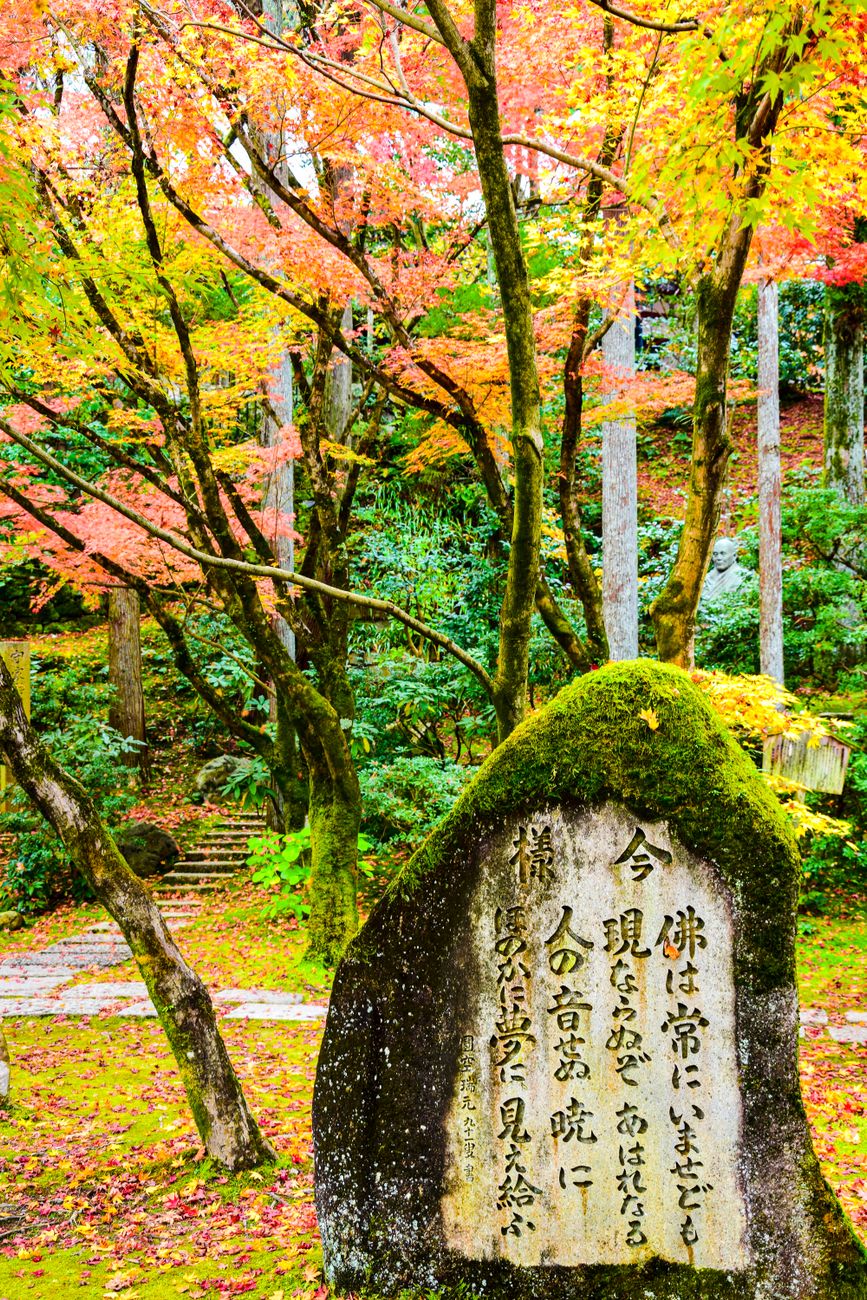
To encounter Kansai with earnest attention, one must wake two hours before dawn, when the morning mist still sits trapped in the low bamboo swales of Arashiyama and the tour coaches have yet to fire their exhaust systems along the main thoroughfares. In Kyoto, silence is not an empty absence of sound; it is an engineered acoustic architectural material polished across a thousand years of temple design.
I. Beyond the Bamboo Tourist Belt
Most visitors experience Kyoto as a crowded sequence of photographic souvenirs: the vermilion torii tunnels of Fushimi Inari, the shimmering gilded pavilion of Kinkaku-ji. Yet fifteen kilometers north, up the winding gradient of the Takao gorge, the temple of Kozan-ji sits enclosed in mountain cedars that were mature seedlings when Marco Polo walked the Silk Road.
Here, the gravel raking is coarse and deliberate. The mountain stream water runs with limestone clarity through hand-carved stone runnels, and the temple abbot still uses iron kettles over glowing charcoal hearths to brew gyokuro green tea plucked from Japan’s oldest recorded tea field.
"The mountain does not hurry its mist; the cedar does not compete for morning sunlight. Travelers who move quickly through Kansai leave with photographs, but never with understanding."
II. The Sacred Geometry of Yoshino
Southward toward Nara lies Mount Yoshino, long revered by practitioners of Shugendo—a syncretic ascetic religion integrating mountain worship, Daoist sorcery, and esoteric Buddhism. To walk the Omine Okugakemichi trail is to understand physical elevation as mental purification. The trail ascends through dense groves of Japanese cryptomeria, their trunks straight as ship masts, damp with lichen.
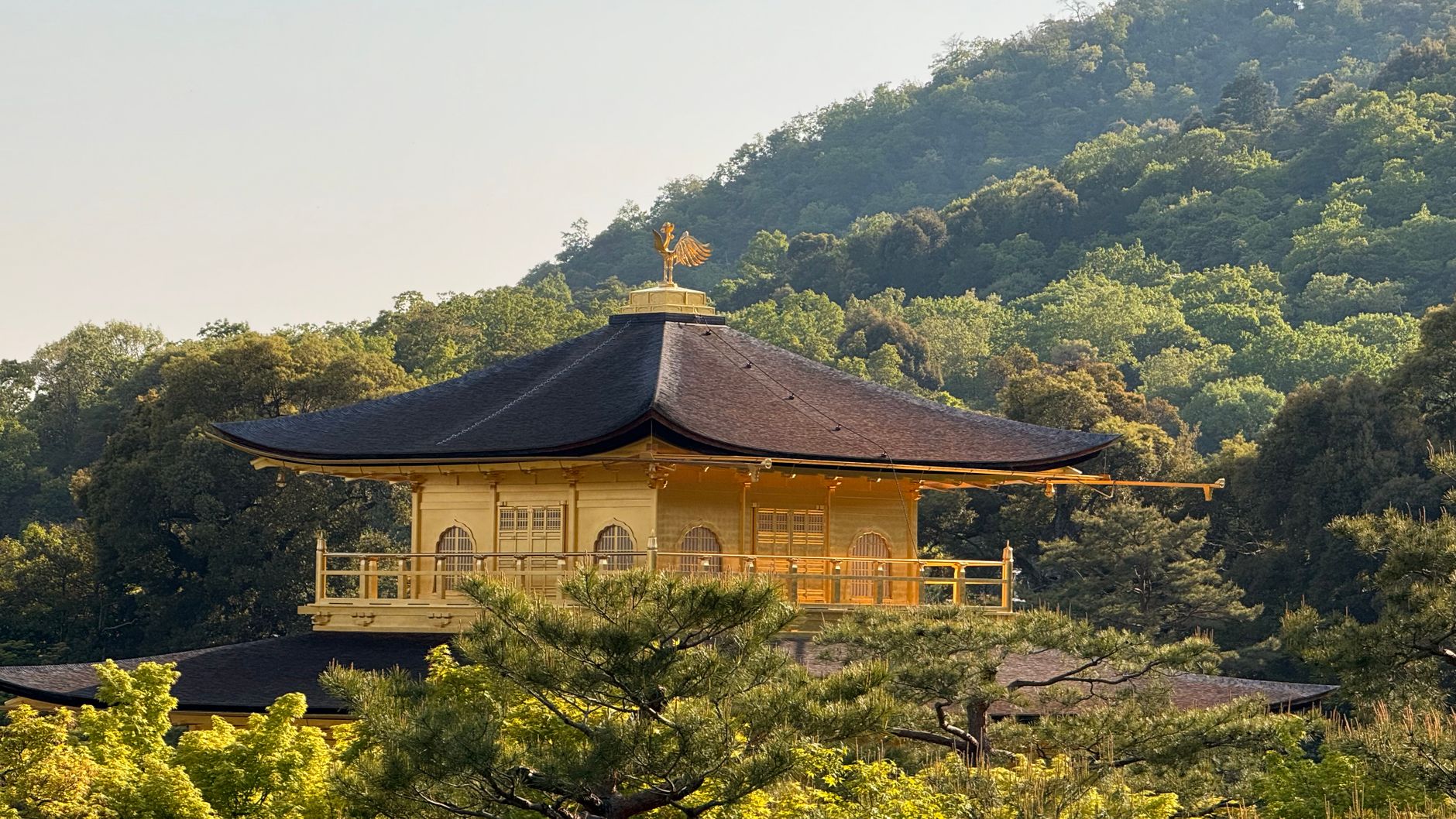 Figure 1.2: Dawn rising above the monastic rooftops of Yoshinoyama.
III. Tea, Charcoal, and Still Water
In rural Japanese hospitality (ryokan), food is inextricably tethered to immediate micro-geography. During our ten-day survey, evening meals featured mountain yam freshly dug from roadside ravines, sweet river trout salted on bamboo stakes over binchotan coals, and pickled wasabi leaves pressed by village elders.
IV. Practical Pilgrim Advisory
Essential Travel Notes:
- Optimal Season: Late October to mid-November for crisp skies and maple coloration; or late May for deep cedar scent.
- Footwear: Vibram-soled trail shoes with water-resistant membranes are essential for mossy slate stairs.
- Etiquette: Refrain from photography inside inner sutra halls; remove footwear upon encountering tatami straw matting.
Commission a Kansai Private Route
Our atelier coordinates bespoke research stays and temple lodgings throughout Kyoto and Nara prefecture.
Discuss with our Desk